Learning Disabilities · 2 min read
Understanding Learning Disability in Children
When a child struggles at school, it may be more than reluctance. What learning disabilities are and how assessment helps.
Many children grumble when asked about school. Some thrive, while others struggle to keep up. Their reluctance is often brushed off as an excuse to skip class. But look closer, and you may find that some of these children actually have a learning disability (LD).
What is a learning disability?
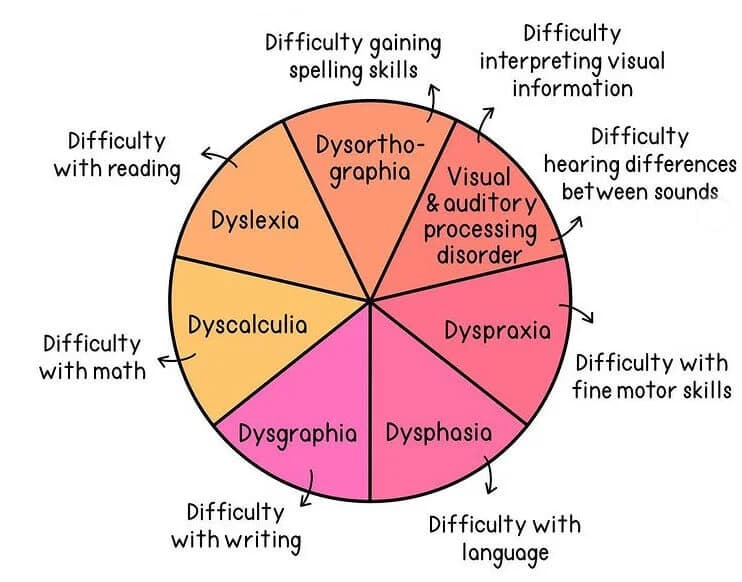
Some school statistics suggest that 5 to 9% of children may have learning difficulties. A learning disability is a neurological condition that affects the brain's ability to receive, process, store and respond to information. Different names are used for its different types and degrees.
A learning disability may not be visible from the outside, but it can be identified and managed with the right assessment tools and professional support.
Why assessment helps
If your child has difficulties you can't explain, it's a good idea to have their academic performance assessed to find the underlying cause. It may or may not be a disability, but it's better to be sure.
An assessment shows a child's level of academic, motor and other skills. With that picture, it becomes much easier to create a personalised, effective development plan, which can include therapy sessions if needed.